
Accessory Dwelling Unit (ADU)
Accessory Dwelling Unit (ADU) Regulations in California
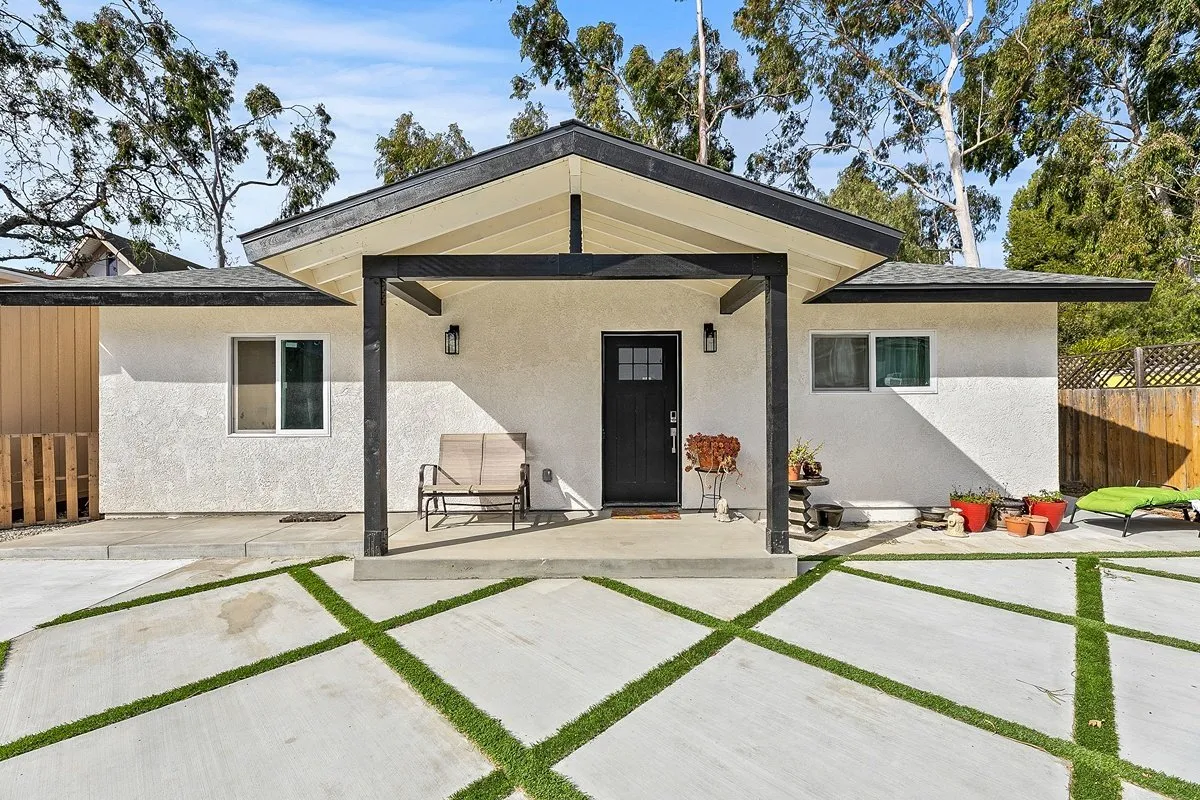
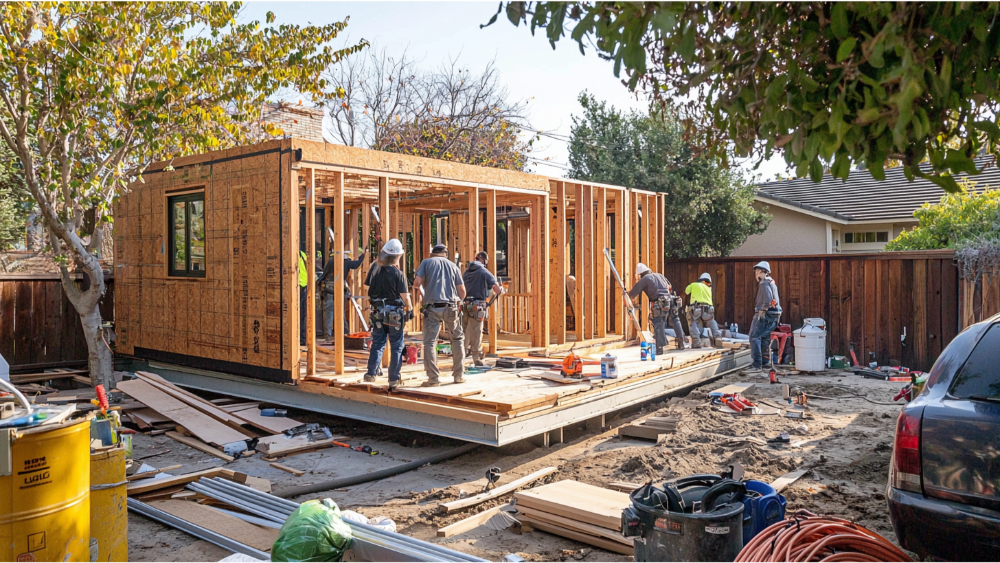
Building codes have been changed to allow the construction of Accessory Dwelling Units (ADUs) onto homes in California. This is an excellent opportunity for the construction of a custom living space for an aging parent or another family member, rental unit construction, or building caregiver’s quarters. Dreamlux Design & Build are currently constructing a beautiful custom ADU in the Bay Area. Watch for updates as our builders move towards the completion of this custom construction project! Gary and Kim also built their own custom home in Campbell in 2015 and would love to help you build the home of your dreams!
Types of ADUs
How Many ADUs Can I Build on My Property in California?
In California, state laws have made it easier for homeowners to build Accessory Dwelling Units (ADUs) on their properties. Generally, property owners are allowed to construct one primary ADU and one Junior ADU (JADU) on a single-family lot, provided they meet the necessary requirements. For multi-family properties, California allows multiple ADUs based on the number of existing residential units, typically permitting the conversion of up to 25% of the units into ADUs or at least two, whichever is greater. However, specific local zoning laws and regulations can impact these allowances, so it is crucial to consult with your local municipality to ensure compliance with all relevant guidelines.
Key Zoning Laws and Regulations for Building ADUs
Zoning District Requirements
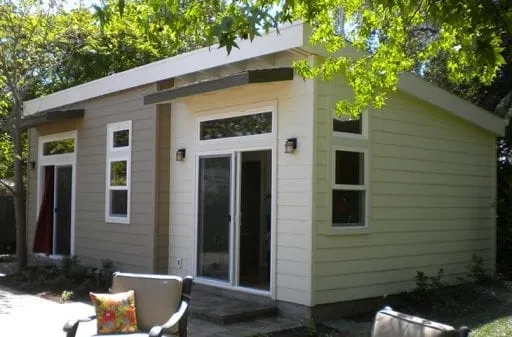
Each property lies within a specific zoning district, which determines the number of additional units allowed. Typically, areas zoned for single family residence permit one primary dwelling unit and one Accessory Dwelling Unit. Some jurisdictions further allow a detached ADU, provided the property meets lot size and setback requirements. Multifamily zones may have looser restrictions, enabling multiple ADUs to be built on larger properties. Always verify your zoning district’s specific guidelines to ensure compliance.
Lot Size Limitations
The size of your property plays a critical role in dictating how many ADUs you can build. Smaller lots may only permit one detached ADU in addition to the existing primary residence to maintain neighborhood density. Larger lots may qualify for additional structures, but lot coverage maximums often apply. Cities and counties may have different lot size thresholds that restrict or allow such developments. Reviewing local ordinances can help gauge the feasibility of adding multiple units.
Setback and Spacing Requirements
ADUs must comply with setback regulations, which outline the minimum distance between structures and property boundaries. A detached ADU, for example, may require setbacks of 5 to 10 feet depending on local rules. Spacing between the primary residence and any ADUs is also regulated to ensure safety and accessibility. Failure to meet setback requirements can lead to denied permits or legal issues. Consult your local planning department to avoid complications.
Utility and Infrastructure Compatibility
Adding multiple ADUs to a property requires sufficient utility access, including water, sewage, and electricity. Municipal codes may restrict the number of ADUs based on the capacity of existing infrastructure. Detached ADUs often necessitate specific utility connections separate from the multi family dwelling. Utility installation costs can influence how many ADUs a homeowner decides to build. Infrastructure assessments are often required during the permitting process.
Design and Occupancy Standards
ADUs must adhere to design standards that regulate size, height, and appearance to ensure harmony with the property owners’ primary dwelling unit. Detached ADUs, for instance, must often remain below a specific square footage or height limit. The occupancy limit of an ADU is usually restricted to ensure the property isn’t overcrowded. Some jurisdictions impose additional standards, such as requiring off-street parking for each unit. Compliance with these design guidelines is critical for securing permits.
Understanding ADU Types
Single Family Dwelling ADUs
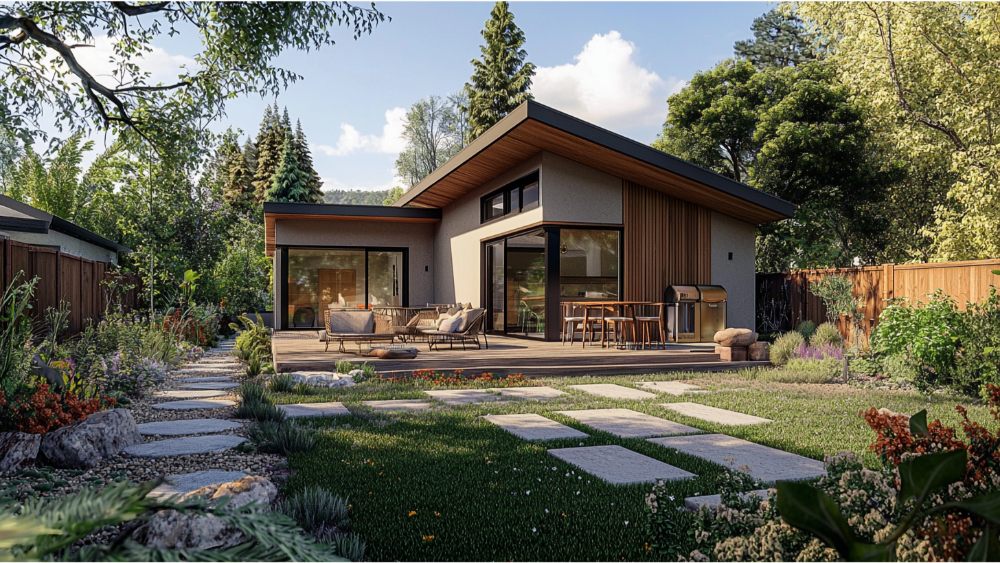
ADUs on single family dwelling properties are often the most common type. These units can be detached structures or attached additions, providing additional living space while retaining the main residence’s focus. Local zoning laws typically allow one ADU alongside the primary residence, ensuring density remains manageable. Homeowners should verify square footage limitations, setbacks, and design guidelines applicable to single family properties. These rules dictate how an ADU can fit harmoniously within the neighborhood.
Junior Accessory Dwelling Units (JADUs)
A Junior Accessory Dwelling Unit is a smaller, semi-independent unit constructed within the walls of an existing residence. These units are an economical option for homeowners since they often utilize existing spaces like converted garages or spare bedrooms. JADUs are generally limited in size, often capped at 500 square feet, and share certain utilities with the main dwelling. Despite their small footprint, they must comply with design and safety regulations, such as having a separate entrance. JADUs are ideal for creating affordable housing while making use of existing property features.
ADUs in Existing Multi Family Buildings
Properties classified as existing multi family buildings have unique opportunities for adding multiple ADUs. Owners may convert underutilized spaces like basements, storage rooms, or parking areas into livable ADU units, subject to approval. Zoning laws in certain jurisdictions permit multiple ADUs on a single multi family property, given the proper lot size and infrastructure compatibility. Each unit must meet habitability standards, including proper ventilation, egress, and utility access. This type of ADU is particularly beneficial for creating additional rental income in multi family settings.
ADUs from Existing Units
ADUs can also be developed by transforming existing property features into functional living spaces. Examples include transforming garages, accessory structures, or even detached sheds into fully compliant living areas. Repurposing existing units is often cost-effective, as the structure already exists, requiring modifications rather than new construction. However, these units must meet building codes and safety standards, such as having independent access and adequate insulation. Careful planning ensures these ADUs blend seamlessly with the overall property while offering new livable areas.
State-Specific Rules on ADUs
Understanding state-specific regulations is essential when planning to build an ADU. States often have unique rules regarding size limits, permitting processes, and design standards, and compliance is mandatory to avoid legal issues. Below are examples from several states to highlight key considerations.
California
California is one of the most ADU-friendly states, offering streamlined processes to encourage housing development. Homeowners can build both an ADU and a Junior ADU (JADU) on the same property, provided local building permit requirements are met. JADUs in California are restricted to 500 square feet and must be built within the footprint of the existing primary dwelling. The state also limits parking requirements for ADUs built near public transit to make the process more accessible and affordable.
Below are some facts regarding ADUs here in the Bay Area
- Any single-family residence that is zoned for Single Family residential use can start construction of an Accessory Dwelling Unit. Some multi-family zoned lots can build an ADU but check before you start.
- The ADU cannot be sold separately from the main home; however, it can be rentable.
- The lot cannot have any code violations. Violations must be resolved before obtaining builder or construction permits.
- An attached ADU cannot exceed 50% of the primary residence, up to 1,200 square feet. For example, if your existing home is 2,500 sq. ft., the attached ADU cannot exceed 1,200 sq. ft. in size.
- Any existing legal structure can be converted into an accessory dwelling unit. This is great for homeowners looking to maximize their garage! An existing permitted garage doesn’t have to comply with any additional setback requirements.
- Short-term vacation rentals are not allowed in the ADU.
Contact Dreamlux Design & Build
today for any ADU related questions and inquiries. Our builders are dedicated to the desiging & construction of your dream home and are excited to work with you!